Tesla delays unsupervised FSD to Q2 2027, with limited use only
Tesla has pushed the release of unsupervised full self-driving to Q2 2027, with use restricted to its Robotaxi zones.
By Emily Carter ·
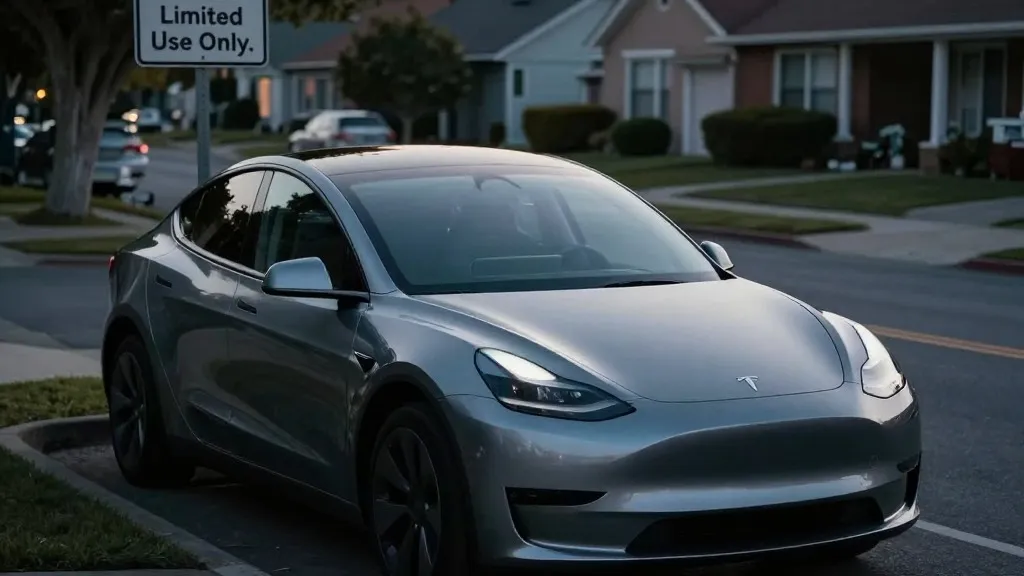
Tesla has delayed the arrival of unsupervised full self-driving to Q2 2027, the latest in a long line of promises from Elon Musk that have yet to materialize. On Tesla’s Q3 2026 earnings call, AI chief Ashok Elluswamy explained that unsupervised FSD would be available only in the areas where Tesla’s Robotaxi service operates. This means owners would be adding their cars to Tesla’s managed Robotaxi fleet, rather than getting a car that can drive them anywhere they want to go. The question of when unsupervised FSD would be available was one of the top retail shareholder questions, backed by about 1.1 million shares. Elluswamy’s answer was clear: Q2 2027. But the product being promised is narrower than the car owners have been expecting, and it is limited to Tesla’s zones, on Tesla’s terms.
Tesla’s Robotaxi service currently runs in six US metro areas, but the service zones are small and cover only parts of those cities. In the Bay Area, for example, the service is not unsupervised at all, as California rules still require a safety driver in every car because Tesla does not want to release data to the California DMV, which it must do for anything beyond a level 2 autonomous system. The fleet is also small, with Tesla stating that Robotaxi reached nearly 2 million cumulative unsupervised miles by the end of Q3, a month after Cybercab joined the Austin fleet. Third-party tracking showed that the number of fully driverless Teslas on the road was in the dozens, far below the hundreds of thousands Musk had predicted.
This is not what Tesla sold. For years, the pitch to FSD buyers was a car that would eventually drive itself anywhere through a software update. But now the goalpost has moved, and the product being promised is far more limited. Even if the release happens on time, it will be only in Tesla’s zones, on Tesla’s terms. And if one thing was clear from the call, Tesla has no idea when it will actually happen. Ashok again reiterated that safety is the bottleneck, which is why Tesla limits itself to low-speed roads and harder environments. He guesses that those safety issues will be fixed by next year, but he does not know.
If you are buying an EV, powering it with home solar can cut your fuel costs to nearly zero, whether it ever drives itself or not. With electricity rates up almost 10% last year and expected to keep climbing, going solar is one of the best ways to protect yourself against rising costs. And with lease and PPA options, you can do it with zero upfront cost and start saving immediately. If you want to find the best deal, check out EnergySage. It’s a free service with hundreds of pre-vetted installers competing for your business, so you save 20 to 30% compared to going it alone. No sales calls until you pick an installer. Get your free quotes here.
Source: Electrek